Animatronics vs. CGI: The True Cost of Movie Monster Design
When the T-Rex stepped out of its paddock in the 1993 classic Jurassic Park, it changed cinema forever. That dinosaur was not entirely a computer simulation; for many shots, it was a 9,000-pound physical robot. Today, Hollywood relies heavily on digital pixels to create its monsters. However, the debate between physical creature effects and digital rendering usually comes down to one massive factor: the budget.
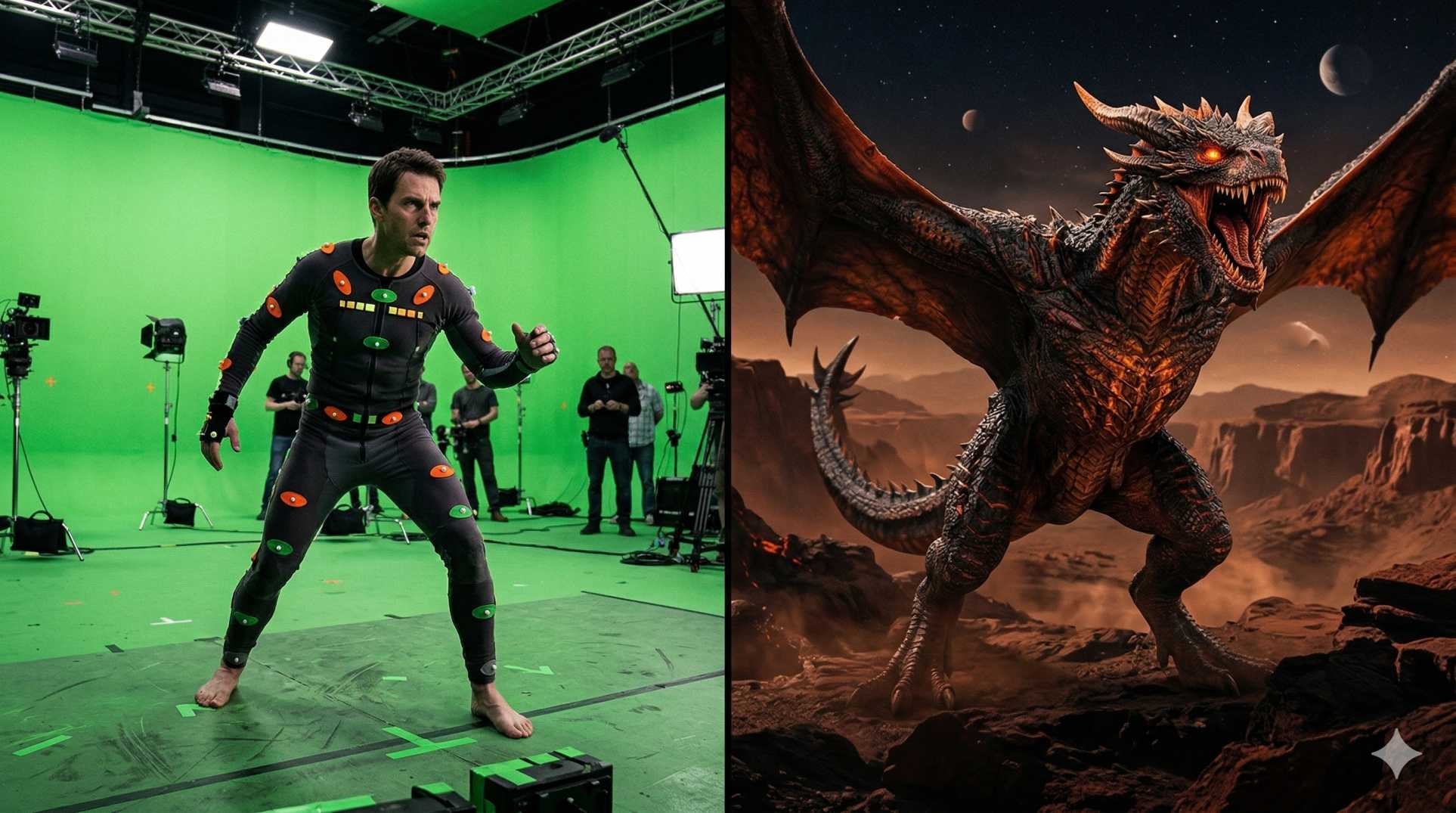
Building a fully articulated cinematic animatronic typically costs between $100,000 and $1,000,000, depending on the required hydraulic complexity. While initial physical construction is expensive, relying solely on high-tier CGI for the same creature often results in higher post-production rendering costs.
Quick Takeaways
-
Upfront vs. Backend Costs: Animatronics require massive pre-production budgets to build. Computer-Generated Imagery (CGI) shifts those costs to post-production rendering.
-
The Per-Second Price: High-end CGI is not bought in bulk. Studios pay visual effects houses by the shot, often costing tens of thousands of dollars per second of screen time.
-
Tactile Performances: Physical monsters give actors genuine eyelines and tangible threats, resulting in more authentic, grounded performances.
-
The Hybrid Standard: Modern blockbusters use practical puppets on set for lighting reference and actor interaction, then enhance the creature with CGI in post-production.
The Missing Insight: The Puppeteer Payroll Penalty
When debating how much animatronics cost in movies, entertainment blogs focus entirely on the manufacturing price—the steel, the silicone, and the servos. They completely ignore the “Puppeteer Payroll Penalty.” A massive animatronic is not autonomous. The Jurassic Park T-Rex required a highly trained crew of 20 technicians and puppeteers operating telemetry rigs just to make it walk and roar. On a film set, time is the most expensive commodity. Paying daily union rates for 20 specialized operators, plus the inevitable on-set downtime when a hydraulic line breaks, makes the operational cost of animatronics skyrocket. CGI avoids this daily set-cost entirely, moving the labor to climate-controlled studio desks months later.
The Price Tag of a Physical Monster
To understand the economics of creature design, we must break down the different tiers of practical effects. You do not just buy an animatronic off a shelf. You hire a special effects studio to engineer a custom machine from scratch.
Tier 1: Hand Puppets and Cable-Controlled Creatures
Not every monster is a giant robot. Many iconic creatures, like the original Xenomorph in Alien or the Facehuggers, rely on cable-controlled mechanisms. Technicians off-camera push and pull bicycle cables connected to the creature’s face to make its mouth open or its eyes blink.
-
Estimated Cost: $10,000 to $50,000 per creature.
Tier 2: The Creature Suit with a Mechanical Head
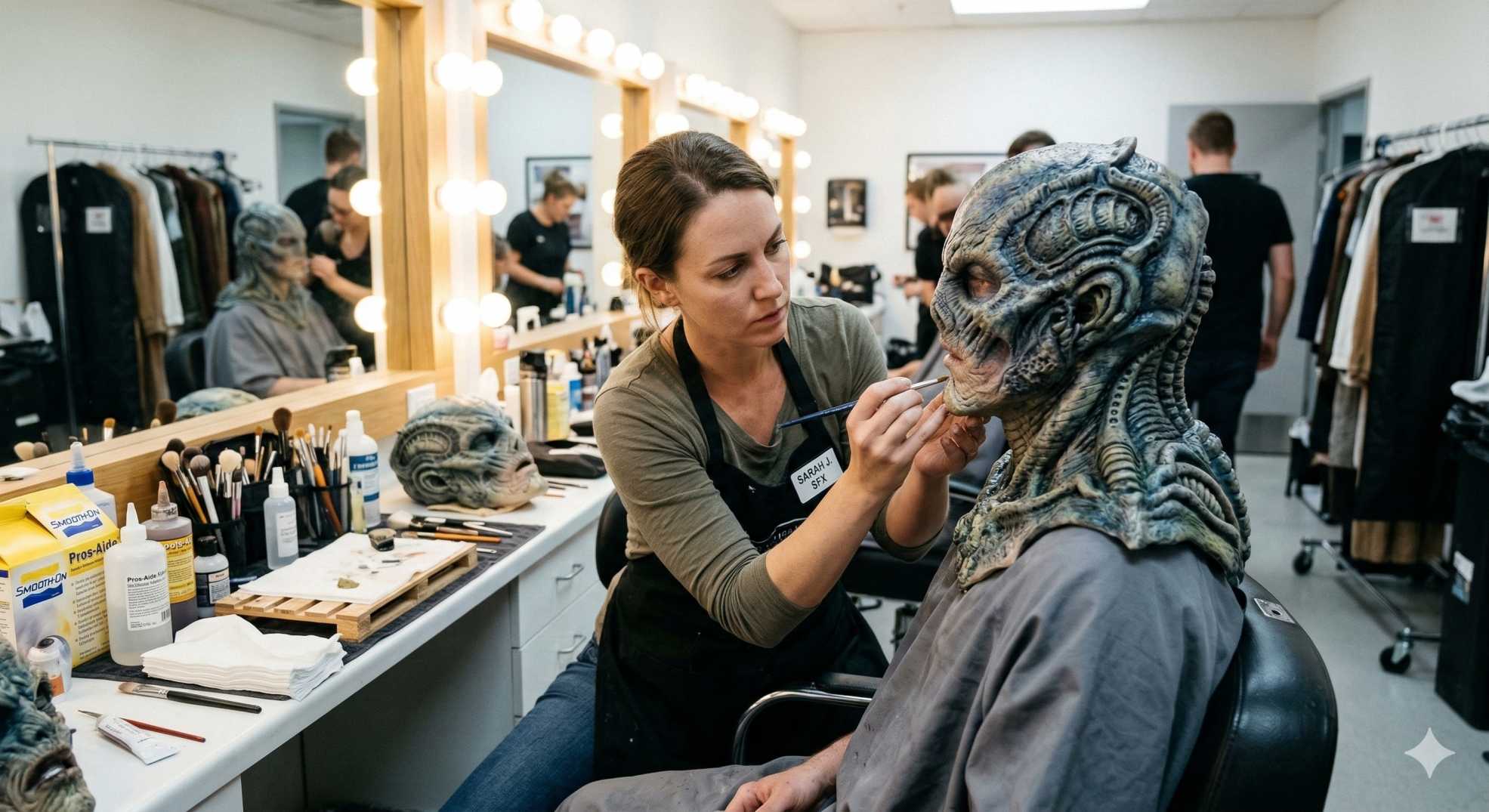
This is the industry standard for humanoid monsters. A stunt performer wears a highly detailed, sculpted foam-latex suit to provide the body movements. The creature’s head is a self-contained animatronic helmet. Puppeteers control the facial expressions via radio controllers while the actor performs the gross body movements.
-
Estimated Cost: $50,000 to $150,000 per suit.
Tier 3: Hydraulic Behemoths
This is the top tier of practical creature design. These are massive, freestanding robots powered by industrial hydraulics and complex telemetry suits. The engineers must build an aluminum skeleton, install hundreds of fluid-driven actuators, and wrap the entire machine in custom-painted, textured silicone skin.
-
Estimated Cost: $500,000 to $2,000,000+ per creature.
[Newsletter Hook: Fascinated by the hidden budgets and engineering behind Hollywood’s biggest monsters? Subscribe to our weekly Arts & Culture newsletter for exclusive behind-the-scenes breakdowns.]
The Hidden Cost of CGI: Paying by the Pixel
If building a robotic monster costs a million dollars, why not just use a computer? The misconception is that CGI is a cheap alternative. In reality, high-quality CGI is incredibly expensive.
Visual effects (VFX) houses do not charge a flat rate for a digital monster. They charge per shot or per second of screen time. Creating a photorealistic digital creature requires multiple departments:
-
Modelers: Build the 3D skeleton and shape.
-
Riggers: Program the digital muscles and joints so the creature moves accurately.
-
Texture Artists: Paint the digital skin, scales, and scars.
-
Animators: Manually move the creature frame by frame.
-
Lighting & Compositing: Ensure the digital monster matches the real-world lighting of the filmed set.
The Rendering Bill
Once the creature is animated, it must be “rendered.” This means thousands of computers process the complex math required to simulate light bouncing off the monster’s skin. High-end CGI can cost between $10,000 and $40,000 per second of final screen time. If a monster is on screen for 5 minutes (300 seconds), the CGI bill easily exceeds $3,000,000.
“You can build an amazing practical creature for $500,000 and shoot it from 50 different angles for a month. If you want that same creature entirely in CGI, every new angle and every new second costs you another ten grand.” — Special Effects Industry Standard Maxim
Creature Budgets in the Streaming Era
The economics of monster design have shifted drastically with the rise of massive streaming platforms. Television series now command budgets that rival theatrical blockbusters, demanding cinema-quality creatures on episodic timelines.
When you look at the creature designs featured in the most watched series on Amazon Prime Video, such as the practical Orc prosthetics in The Lord of the Rings: The Rings of Power or the mutated beasts in Fallout, you see massive upfront investments in practical suits. These studios know that building physical armor and makeup for 50 background extras is ultimately cheaper than individually animating 50 digital monsters.
Conversely, when examining the most watched movie on Amazon Prime Video, action-heavy sci-fi films often lean heavily into CGI for massive scale that physical props cannot achieve.
Netflix utilizes a similar split strategy. The terrifying Demogorgons seen in the most watched web series on Netflix began as physical actors in complex animatronic suits before transitioning to fully digital models in later, more action-heavy seasons. Even in standalone features, the most watched movie on Netflix often requires a careful balancing act, blending physical set pieces with digital background extensions to keep the budget from spiraling out of control.
Why Directors Still Pay for Physical Monsters
If practical effects are a logistical nightmare on set, why do top-tier directors still demand them? It comes down to lighting, physics, and human performance.
1. In-Camera Lighting
A physical object exists in the real world. When the director of photography lights the set, the light hits the animatronic monster perfectly. The shadows are real. The highlights on its wet skin are real. A VFX artist has to spend weeks trying to mathematically fake what a physical prop achieves instantly for free.
2. Physical Gravity
CGI often feels “weightless.” When a digital monster runs, it sometimes looks like it is floating slightly above the ground. A 2,000-pound animatronic puppet obeys the actual laws of gravity. When it slams its foot down, dust kicks up, and the floor literally shakes.
3. The Actor’s Performance
Acting opposite a tennis ball on a green stick is incredibly difficult. When an actor looks into the eyes of a physical animatronic that is snarling and dripping saliva, their fear is genuine. The physical presence elevates the performance of everyone in the room.
The Hybrid Future: Practical Models and Digital Skin
To keep up with the popcorn pulse of modern cinema, studios no longer view this as an “either/or” debate. The current industry standard is the hybrid approach.
Studios hire practical effects teams to build a highly detailed “stand-in” or partial animatronic. For example, they might build a fully functional robotic head and shoulders. The actors interact with this physical head on set, getting the perfect lighting and genuine eye contact.
Then, in post-production, the digital effects team (like Industrial Light & Magic) takes over. They use CGI to add digital legs, animate complex running motions that a robot cannot safely perform, or digitally erase the puppeteers hiding behind the prop.
Data Comparison: Budgeting Your Monster
[Newsletter Hook: Ready to master the business and technical side of the film industry? Join thousands of cinephiles by subscribing to our weekly newsletter today for more VFX budget breakdowns.]
The Final Frame
Deciding between animatronics and CGI is not just an artistic choice; it is a complex financial equation. Building a physical monster costs hundreds of thousands of dollars upfront and requires an army of technicians to operate. However, relying solely on computers bills the studio by the pixel, resulting in millions of dollars spent in post-production. The best cinematic monsters of the modern era respect both disciplines, using real-world engineering to ground the creature, and digital artistry to set it free.
4. INTERACTIVE LINK MAGNET
Embed Suggestion: “The Movie Monster Budget Calculator”
-
How it works: A lightweight HTML5 interactive module featuring a simple slider and dropdown menu. Users select a “Creature Type” (e.g., Giant Dinosaur, Humanoid Alien, Small Pet) and choose a “Screen Time” duration using the slider (10 seconds to 5 minutes).
-
The Hook: “Are you a Hollywood producer? Choose your monster and set your screen time. Our calculator will instantly estimate whether it is cheaper to hire Stan Winston’s practical crew or pay a CGI render farm for your scene.”
-
Why this works: Budget simulators dramatically increase time-on-page. Users will play with different combinations to see the massive cost spikes associated with long CGI sequences, heavily signaling to search engines that the page holds interactive, high-value data.
Stan Winston” to the official Stan Winston School of Character Arts to provide undeniable authority on the practical effects industry.
Industrial Light & Magic” to the official ILM website or history page highlighting their pioneering role in computer-generated imagery.
Frequently Asked Questions (FAQ)
1. How much do animatronics cost in movies? A fully articulated, hydraulic animatronic for a major Hollywood blockbuster typically costs between $500,000 and $2,000,000 to build. Smaller, cable-controlled puppets or mechanical creature heads worn by actors usually range from $10,000 to $150,000.
2. Is CGI cheaper than practical effects? Not always. While CGI avoids the cost of physical materials like steel and silicone, it is billed per second of screen time. High-end CGI can cost upwards of $40,000 per second. For scenes where a monster is on screen for many minutes, building a practical animatronic is often cheaper in the long run.
3. Why do CGI monsters sometimes look fake? CGI can look fake if the digital lighting and shadows do not perfectly match the real-world lighting of the set. Additionally, digital models sometimes lack the proper physical weight and gravity, making them appear as though they are “floating” rather than interacting with the actual environment.
4. What is a hybrid creature effect? A hybrid effect combines both methods. A studio will build a physical animatronic (like just the head and shoulders of a monster) for actors to interact with on set. Then, they use CGI in post-production to add the rest of the body, smooth out the physical movements, or erase the puppeteers.
5. How many people does it take to operate a movie animatronic? Complex animatronics require massive teams. For example, the T-Rex in Jurassic Park required a team of roughly 20 puppeteers and technicians operating complex radio controllers and hydraulic telemetry rigs simultaneously just to make the creature walk and roar on set.